
 English
 Deutsch
 Türkçe
 Nederlands

Rhinoplasty (Nose
Aesthetics)
Rhinoplasty (Nose Aesthetics)
Rhinoplasty is a surgical procedure that repositions, reconstructs, and reshapes the nose to achieve greater harmony with the face and/or improve breathing function. Known in medical terms as “nasal surgery,” rhinoplasty is one of the most commonly performed procedures in aesthetic surgery. It is not only performed for cosmetic reasons but also to correct structural problems in the nose in order to preserve or improve its function.
Located in the center of the face, the nose is one of the most important features cosmetically. Even small changes can significantly affect the overall appearance and symmetry of the face. Rhinoplasty not only provides a harmonious and attractive appearance but also helps patients breathe more comfortably, thereby improving their quality of life.
Why is it Performed?
Rhinoplasty is performed for both aesthetic and functional purposes.
-
Aesthetic Purposes: Corrects visual imperfections such as drooping nasal tip, nasal bone deviation or hump, and excessively large nostrils.
-
Functional Purposes: A deviated septum, nasal hyperplasia, or congenital structural abnormalities may cause breathing difficulties. In such cases, rhinoplasty offers a functional solution as well.
-
Post-Trauma: Rhinoplasty may be necessary if nasal deformities or breathing problems occur due to an accident or injury.
Types of Rhinoplasty
Rhinoplasty can be performed using different methods depending on the patient’s needs and nasal structure:
-
Open Rhinoplasty
A small incision is made at the base of the nose to lift the skin. This technique provides the surgeon with a clearer view of the nasal structures, making it suitable for correcting complex deformities. -
Closed Rhinoplasty
Performed through incisions inside the nose. It leaves no visible scars and has a shorter recovery time, though the surgeon’s field of view is limited. -
Revision Rhinoplasty
Performed on patients who have previously undergone rhinoplasty but did not achieve the desired result. It may be a second or even third corrective surgery. -
Functional Rhinoplasty
This procedure aims to improve breathing problems along with aesthetic concerns.
Preoperative Planning
Before rhinoplasty, a comprehensive analysis is carried out. The bone and cartilage structures of the nose are examined, and a nose shape most suitable to the patient’s facial features is designed. Three-dimensional imaging techniques are often used to visualize possible postoperative outcomes. Preparations may also include quitting smoking and discontinuing blood-thinning medications.
Surgery
Rhinoplasty is usually performed under general anesthesia and takes about 2–3 hours. Depending on the technique, nasal cartilage and bones may be reshaped, tissues removed, or cartilage grafts added. Nasal packing is placed inside, and a splint or cast is applied outside the nose after surgery.
Recovery
In the first few days after surgery, swelling, bruising, and nasal congestion are expected. Nasal packs are typically removed within 2–3 days, while the cast or splint is removed after about one week.
Most swelling subsides within 2–3 weeks, but complete healing may take 6 months to 1 year. Heavy exercise should be avoided during the initial weeks, and the nose should be protected from trauma.
Using sunscreen, quitting smoking, and attending follow-up examinations will help maximize recovery.
Benefits of Rhinoplasty
-
Enhances facial harmony.
-
Corrects nasal hump, lifts the nasal tip, and creates a more aesthetically pleasing look.
-
Can help reduce breathing difficulties, improving overall quality of life.
-
Boosts self-confidence and enhances social life.
Rhinoplasty is an important surgical procedure with both aesthetic and functional benefits. With proper planning, an experienced surgeon, and careful postoperative follow-up, natural and satisfying results can be achieved. Rhinoplasty not only creates a more beautiful nose but also allows better breathing.
Contact Form
Frequently Asked Questions
NanoGlobal Health provides services in specialized fields such as dentistry, hair transplantation, eye surgery, and aesthetic/plastic surgery.
In Turkey, plastic and aesthetic surgeries are performed at significantly lower costs compared to Western countries while maintaining high international quality standards. The prices and procedures in Turkey are considerably more affordable than equivalent treatments in Western nations.
Yes, plastic and aesthetic surgeries in Turkey are generally considered safe, especially when performed in hospitals approved by the Ministry of Health and by qualified, experienced surgeons. In recent years, Turkey has become a global hub in the field of medical tourism.
Many clinics operate in compliance with international healthcare standards, and every stage — pre-operative consultation, surgical procedure, and post-operative care — is carefully planned. In addition, surgeons in Turkey are often trained in Europe or the United States, or have experience that meets these international standards.
“Personalized operation plans” are prepared, meaning that each procedure is individually tailored. This allows for a plan to be created based on the patient’s condition, donor area, the area to be transplanted, and the preferred technique.
Before the examination, the patient’s medical and ocular history is taken; current complaints, medications used, previous surgeries, or lens/glasses prescriptions are carefully evaluated. This stage is critical to ensure that the rest of the examination is accurate and tailored to the individual.
Eye examinations in Turkey are generally considered safe, especially when performed by experienced ophthalmologists in well-equipped private clinics or hospitals. Eye care centers in Turkey use modern imaging devices, employ expert medical staff, and welcome international patients as part of the country’s expanding health tourism sector.


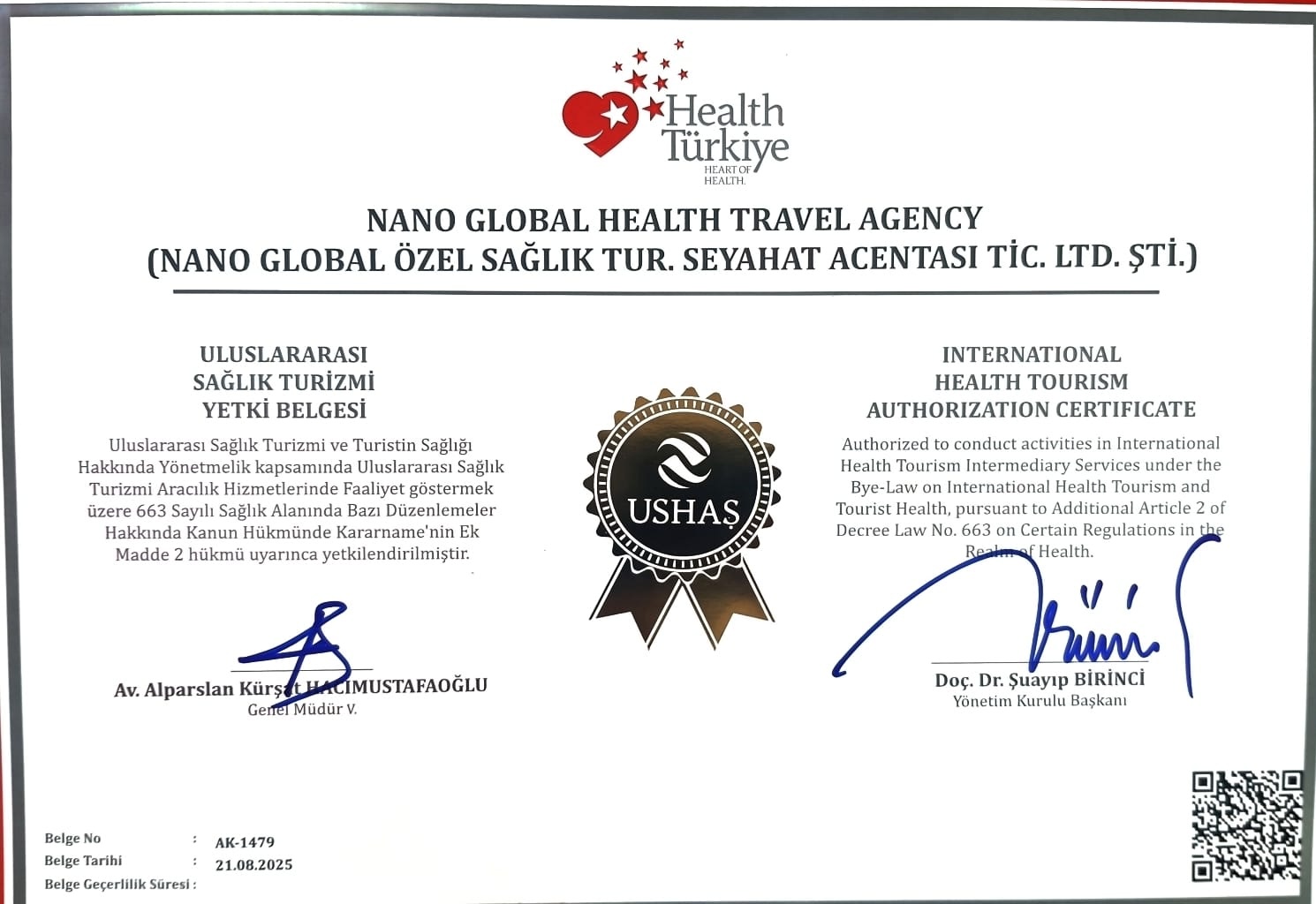
22 years of dental and hospital management experience, NanoGlobal has been designed to become the gateway to the world.

Contact Us
Email: info@nanoglobalhealth.com
Working Hours: 7/24
Call Directly

© 2023 NanoGlobal Health. All Rights Reserved.