
 English
 Deutsch
 Türkçe
 Nederlands

Excimer Laser
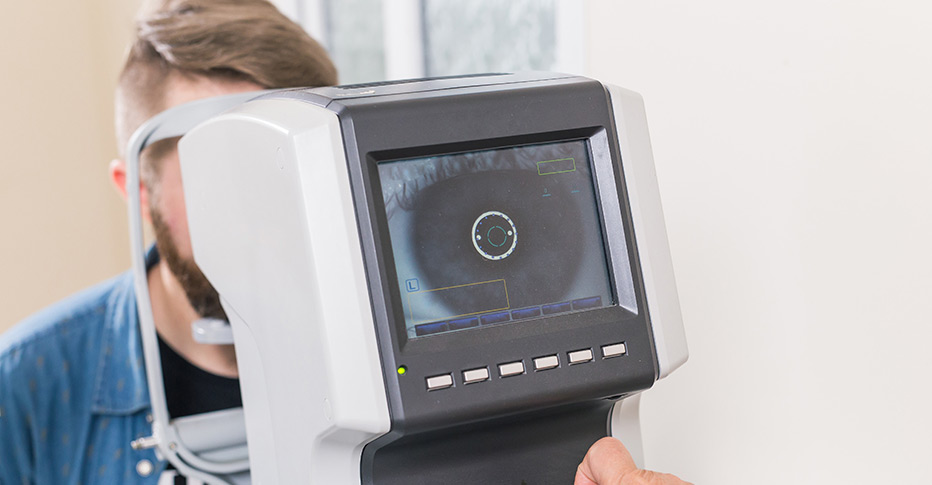
Excimer Laser
The excimer laser, including techniques like LASIK, PRK, and No Touch Laser, is a procedure suitable for individuals aged 18 and above, provided their prescription stabilizes and they don't have underlying rheumatological conditions. This approach offers the potential for clear vision without the need for glasses. Since the 1990s, millions of individuals worldwide have experienced freedom from glasses and contact lenses through this method, affirming its safety and effectiveness.
The excimer laser can address myopia up to -10.00 diopters, astigmatism up to -6.00 diopters, and hypermetropia up to +6.00 diopters, provided the individual's corneal thickness and shape are suitable. The laser treatment typically lasts around 10-15 minutes for both eyes and is performed under local anesthesia, ensuring a painless experience. In cases eligible for the LASIK approach, individuals may experience mild burning, stinging, and watering for approximately 4-5 hours after the procedure. Meanwhile, burning, stinging, and watering may persist for 2 days following the no-touch and PRK methods.
Contact Form
Frequently Asked Questions
NanoGlobal Health provides services in specialized fields such as dentistry, hair transplantation, eye surgery, and aesthetic/plastic surgery.
In Turkey, plastic and aesthetic surgeries are performed at significantly lower costs compared to Western countries while maintaining high international quality standards. The prices and procedures in Turkey are considerably more affordable than equivalent treatments in Western nations.
Yes, plastic and aesthetic surgeries in Turkey are generally considered safe, especially when performed in hospitals approved by the Ministry of Health and by qualified, experienced surgeons. In recent years, Turkey has become a global hub in the field of medical tourism.
Many clinics operate in compliance with international healthcare standards, and every stage — pre-operative consultation, surgical procedure, and post-operative care — is carefully planned. In addition, surgeons in Turkey are often trained in Europe or the United States, or have experience that meets these international standards.
“Personalized operation plans” are prepared, meaning that each procedure is individually tailored. This allows for a plan to be created based on the patient’s condition, donor area, the area to be transplanted, and the preferred technique.
Before the examination, the patient’s medical and ocular history is taken; current complaints, medications used, previous surgeries, or lens/glasses prescriptions are carefully evaluated. This stage is critical to ensure that the rest of the examination is accurate and tailored to the individual.
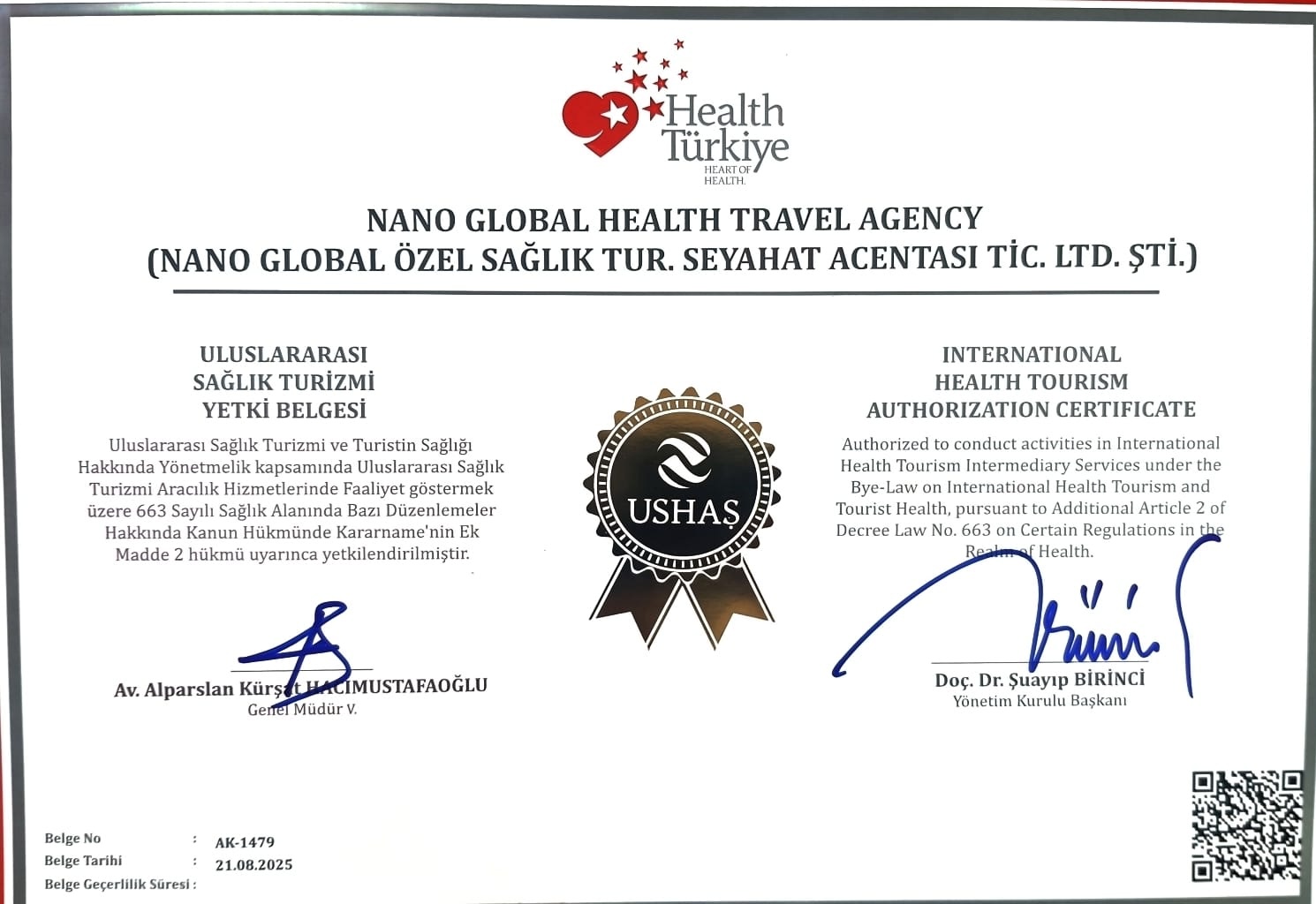
Eye examinations in Turkey are generally considered safe, especially when performed by experienced ophthalmologists in well-equipped private clinics or hospitals. Eye care centers in Turkey use modern imaging devices, employ expert medical staff, and welcome international patients as part of the country’s expanding health tourism sector.


22 years of dental and hospital management experience, NanoGlobal has been designed to become the gateway to the world.

Contact Us
Email: info@nanoglobalhealth.com
Working Hours: 7/24
Call Directly
© 2023 NanoGlobal Health. All Rights Reserved.