
 English
 Deutsch
 Türkçe
 Nederlands

Face and Neck Lift
Face and Neck Lift
Traditional facelift surgery is one of the most preferred methods, used to tighten loose, sagging skin of the face and neck, along with the tissues underneath. It is often performed to help reduce sagging and wrinkles caused by the natural aging process. Medically referred to as a facelift or neck lift, this procedure is aimed at softening the signs of aging and improving the contours of the face, jawline, and neck. When necessary, fat may be removed or redistributed, muscles can be tightened, excess skin is excised, and the remaining tissue is repositioned. The goal is to achieve a smoother and more balanced appearance.
Why Might Face and Neck Lift Be Needed?
The main reasons for undergoing a face and neck lift are sagging of the skin and loss of jawline definition, often resulting in what is commonly known as a “double chin.” Sagging skin, deepening wrinkles around the neck, and excess skin folds can negatively affect appearance. These changes may be linked to aging, genetic predisposition, sun damage, and weight fluctuations, all of which can reduce skin elasticity.
Surgical Procedures
Methods Used
-
Facelift procedures: Deeper facial layers (such as the SMAS layer) are repositioned, excess skin is removed, and fat deposits may be redistributed if necessary.
-
Neck lift (platysmaplasty): For sagging in the neck, excess skin may be removed, the platysma muscle tightened, and submental fat deposits reduced.
-
Combined procedures: Face and neck lifts are often performed together, providing a more comprehensive rejuvenation. Surgery is usually done under general anesthesia or sedation. Incisions are typically placed around the ears, along the hairline, or in the natural folds of the neck, helping to conceal scars.
Recovery Process and Aftercare
During the first few days after surgery, swelling, bruising, and mild discomfort may occur. These effects can often be managed by keeping the head elevated and applying cold compresses. Stitches are usually removed or dissolve on their own within 5–10 days, and drains—if used—are typically taken out shortly afterward. Light activity is recommended during the first few weeks, while strenuous exercise and exaggerated facial movements should be avoided.
Protecting the skin from the sun, refraining from smoking, and following the surgeon’s wound-care instructions can support healing and minimize scarring. Final results may take weeks to months to fully appear, as swelling decreases and tissues settle.
Who is a Good Candidate?
An ideal candidate for face and neck lift surgery is someone in good general health without serious chronic medical conditions. Candidates often present with noticeable sagging or excess skin in the face and neck area, but should still have a certain degree of skin elasticity.
Because smoking is known to negatively affect wound healing, doctors typically recommend reducing or quitting smoking before surgery. It is also important for candidates to have realistic expectations. Surgeons will carefully explain the likely outcomes, potential for scarring, and the recovery process.
Contact Form
Frequently Asked Questions
NanoGlobal Health provides services in specialized fields such as dentistry, hair transplantation, eye surgery, and aesthetic/plastic surgery.
In Turkey, plastic and aesthetic surgeries are performed at significantly lower costs compared to Western countries while maintaining high international quality standards. The prices and procedures in Turkey are considerably more affordable than equivalent treatments in Western nations.
Yes, plastic and aesthetic surgeries in Turkey are generally considered safe, especially when performed in hospitals approved by the Ministry of Health and by qualified, experienced surgeons. In recent years, Turkey has become a global hub in the field of medical tourism.
Many clinics operate in compliance with international healthcare standards, and every stage — pre-operative consultation, surgical procedure, and post-operative care — is carefully planned. In addition, surgeons in Turkey are often trained in Europe or the United States, or have experience that meets these international standards.
“Personalized operation plans” are prepared, meaning that each procedure is individually tailored. This allows for a plan to be created based on the patient’s condition, donor area, the area to be transplanted, and the preferred technique.
Before the examination, the patient’s medical and ocular history is taken; current complaints, medications used, previous surgeries, or lens/glasses prescriptions are carefully evaluated. This stage is critical to ensure that the rest of the examination is accurate and tailored to the individual.
Eye examinations in Turkey are generally considered safe, especially when performed by experienced ophthalmologists in well-equipped private clinics or hospitals. Eye care centers in Turkey use modern imaging devices, employ expert medical staff, and welcome international patients as part of the country’s expanding health tourism sector.


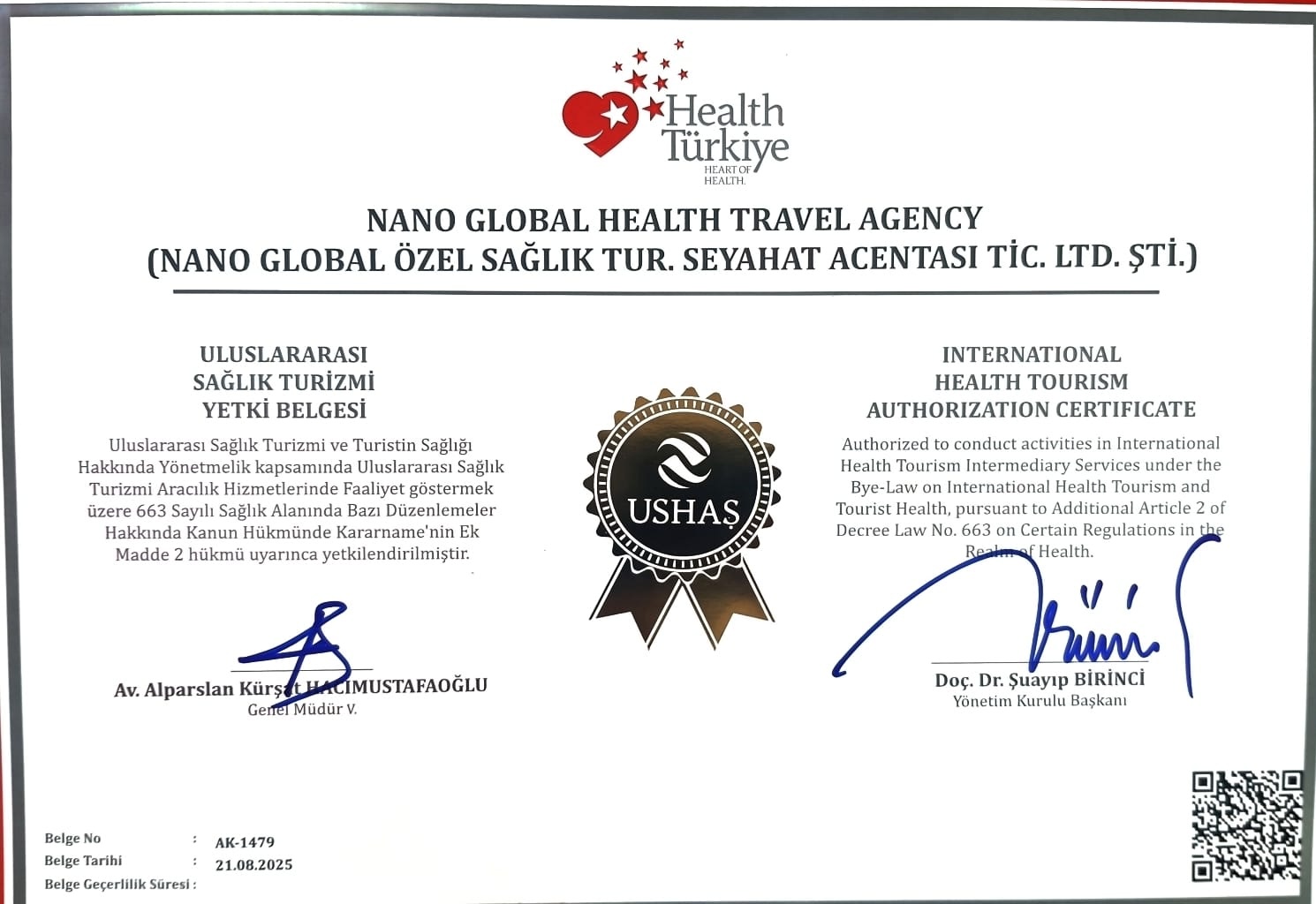
22 years of dental and hospital management experience, NanoGlobal has been designed to become the gateway to the world.

Contact Us
Email: info@nanoglobalhealth.com
Working Hours: 7/24
Call Directly

© 2023 NanoGlobal Health. All Rights Reserved.